Source 3000ppb hydrogen water vending station for Public Parks, Malls, Gyms
Compare 24 models of 3000ppb hydrogen water vending station featuring RO purification, UV sterilization, and touch screen controls. These units offer cold, warm, and hot water options for public and semi-outdoor installations.
Key considerations
Products List


Comprehensive Sourcing Guide
Strategic Sourcing Guide for 3000ppb Hydrogen Water Vending Stations
Understanding the Technical Architecture and Core Specifications
When sourcing a 3000ppb hydrogen water vending station, buyers must first distinguish between general water purification units and specialized hydrogen-enriched dispensing systems. The core technical requirement involves a machine capable of generating water with a specific concentration of dissolved hydrogen, often marketed as 3000ppb (parts per billion), while simultaneously offering multiple temperature options for consumer convenience. Based on available market data, these units frequently utilize Reverse Osmosis (RO) as the primary operating principle to ensure the base water is purified before hydrogen infusion. This dual-stage approach is critical, as high-purity water is a prerequisite for effective hydrogen retention.
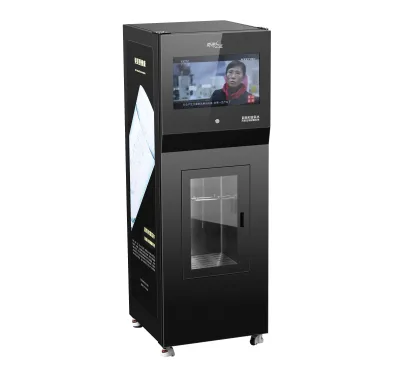
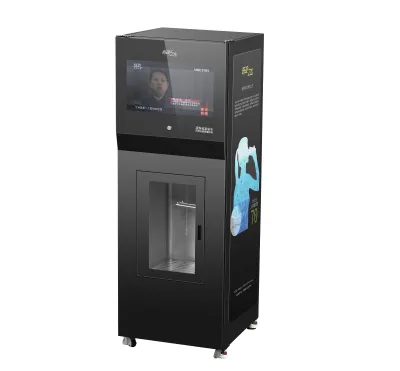
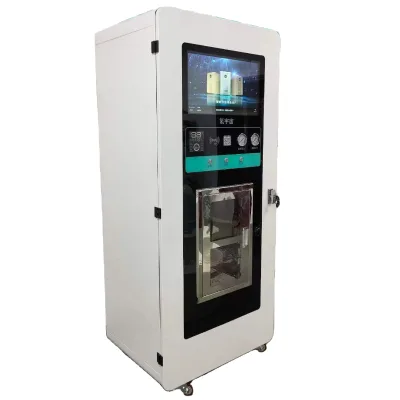
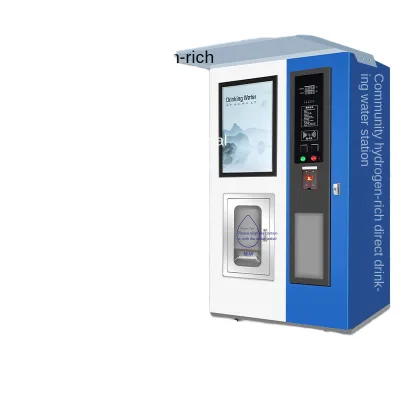
The physical design of these stations varies significantly, with the "Cabinet" style being a prevalent configuration for both indoor and semi-outdoor environments. These units are often engineered to support extended networking capabilities, allowing for remote monitoring of inventory, water quality, and machine status. The interface typically features a touch screen for user interaction, simplifying the selection process for different water types, which may include hydrogen-rich, small-molecule, and weakly alkaline water. Temperature control is a standard feature, with many models offering cold, warm, and hot water options, or at least a cold and hot configuration, to cater to diverse consumer preferences ranging from refreshing drinks to hot beverages.
The internal construction often relies on galvanized steel sheets to ensure durability against environmental factors, particularly for units designated for outdoor or public place installation. The physical dimensions of these stations are substantial, with observed standard specifications ranging from approximately 1100mm in width to over 2200mm in height, and depths around 900mm to 1200mm. Buyers should verify the specific footprint of any model, as dimensions like 22901200985mm or 22501200985mm indicate large-scale units that require significant floor space and structural support. The water output capacity is another critical metric, with observed ranges indicating outputs of 120L or 180L, which directly impacts the throughput and revenue potential of the vending station.
Compliance, Certification, and Safety Standards
Navigating the regulatory landscape is essential for deploying hydrogen water vending stations, particularly when they are intended for public use. The primary certifications to verify are CE and ISO9001, which indicate compliance with European safety standards and international quality management systems, respectively. While some listings mention CE certification specifically, the presence of ISO9001 suggests a manufacturer committed to consistent quality control processes. Buyers must ensure that the specific model they intend to purchase holds valid, current certifications for the target market, as regulations regarding water dispensing and electrical safety vary by region.
Safety features are non-negotiable in public-facing equipment. The sourcing guide highlights the importance of power-off protection and failure self-detection systems. These features ensure that the machine can automatically shut down in the event of electrical faults or detect internal malfunctions before they pose a risk to users. Additionally, sterilization is a key compliance factor for water quality. Advanced models often employ UV and Ozone dual sterilization methods to eliminate pathogens, ensuring the water remains safe for direct consumption. This is particularly relevant for hydrogen water, where the purity of the final product is a primary selling point.
Environmental conditions also play a role in compliance. Units designed for semi-outdoor environments must meet specific ingress protection standards to withstand weather elements, though exact IP ratings should be verified against the specific product datasheet. The voltage requirements are another area where strict adherence to local standards is necessary. Since the power supply can vary based on national voltage (e.g., 110V or 220V), buyers must confirm that the unit's electrical specifications match the local grid infrastructure to prevent operational failures or safety hazards.
Cost Drivers and Pricing Structure Analysis
The pricing of hydrogen water vending stations is influenced by a complex interplay of factors, including the complexity of the hydrogen generation technology, the build quality of the cabinet, and the level of customization required. The observed price range for these units spans from approximately $883 to $6,888 USD. This wide variance suggests that the lower end of the spectrum may represent basic models with standard features, while the higher end likely includes advanced networking capabilities, premium materials, or specialized hydrogen generation modules.
When evaluating cost, buyers must look beyond the unit price and consider the Incoterms and payment structures. Suppliers often offer prices under EXW (Ex Works), FOB (Free on Board), CFR/CNF (Cost and Freight), CIF (Cost, Insurance, and Freight), or DDP (Delivered Duty Paid). The choice of Incoterm significantly affects the total landed cost. For instance, a DDP price includes shipping, insurance, and duties, offering a predictable total cost, whereas an EXW price requires the buyer to manage logistics and customs clearance, introducing variable costs and potential risks. Payment terms typically involve T/T (Telegraphic Transfer) or L/C (Letter of Credit), which can impact cash flow and financial security during the transaction.
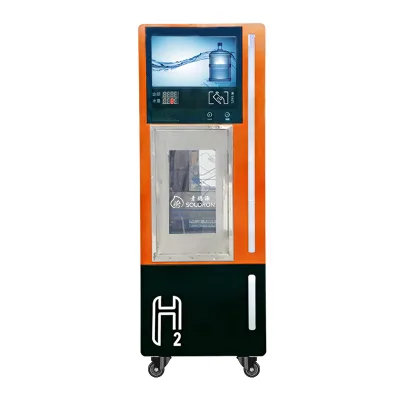
Customization is a major cost driver. While some models are available as non-customized standard units, others offer customization options for color, branding, and functional features. The ability to customize the color to white or other options like blue, red, green, yellow, and orange can add to the cost, especially if it involves custom tooling or specific material orders. Furthermore, the inclusion of advanced features such as extended networking, touch screens, and specific water output capacities will increase the base price. Buyers should request a detailed breakdown of costs to understand how much of the price is attributed to the hydrogen generation system versus the mechanical cabinet and electronics.
Typical Applications and Operational Environments
The versatility of 3000ppb hydrogen water vending stations allows them to be deployed in a wide array of settings. The primary application is in public spaces where high foot traffic is expected, such as shopping malls, parks, transportation hubs, and residential communities. The "Cabinet" style design is particularly suited for these environments, providing a robust and aesthetically pleasing unit that can withstand frequent use. The ability to install these units in semi-outdoor locations expands their potential deployment to areas like bus stops, park entrances, and outdoor event venues, provided the environmental conditions are within the unit's operational limits.
The target demographic for these stations includes health-conscious consumers seeking the benefits of hydrogen-rich water. The marketing of water types such as "Hydrogen Rich," "Small-Molecule," and "Weakly Alkaline" appeals to a specific market segment interested in wellness and hydration. The inclusion of multiple temperature options (Cold, Warm, Hot) further broadens the appeal, making the station suitable for use throughout the day and in various weather conditions. For example, hot water options are essential for winter use or for consumers who prefer warm beverages, while cold water is the primary draw in summer.
The operational model often relies on the "Self-Cleaning" pipe design and automated maintenance features to minimize downtime and ensure water quality. The automatic grade of the machine allows for unattended operation, which is crucial for vending stations in remote or low-supervision areas. The capacity to dispense 120L or 180L of water indicates that these units are designed for high-volume usage, making them ideal for locations with significant daily foot traffic. The integration of touch screens and extended networking capabilities also supports a modern, cashless payment ecosystem, aligning with current consumer trends toward digital transactions.
Supplier Evaluation and Procurement Logistics
Selecting the right supplier requires a rigorous evaluation process that goes beyond the initial product listing. Buyers should prioritize suppliers who can provide clear documentation regarding the origin of the product, with Linyi, China, being a noted production location for several models. The origin of the manufacturing facility can be an indicator of the supply chain's maturity and the manufacturer's expertise in producing large-scale water dispensing units. Additionally, the export port, typically Qingdao or Lianyungang, should be considered when calculating shipping logistics and lead times.
The lead time for these units is a critical factor in procurement planning. Observed data suggests a delivery time of within 20 days, which is relatively fast for custom-manufactured industrial equipment. However, buyers must verify if this timeline applies to standard models or if customization extends the production schedule. The Minimum Order Quantity (MOQ) is another consideration; while some listings indicate an MOQ of 1 PC, allowing for single-unit purchases, others may have different requirements for customized orders. The flexibility in MOQ can be advantageous for buyers testing the market or those with limited initial capital.
Packaging is also a vital aspect of the procurement process. Units are typically packed with PE film inside and a wooden case outside to ensure protection during transit. For larger orders, wooden box packaging may be used. Buyers should confirm that the packaging meets international shipping standards to prevent damage during long-distance transport. The warranty period, typically one year, is a standard offering, but buyers should clarify the scope of coverage, including whether it covers parts, labor, and on-site service. The availability of spare parts and the manufacturer's support network should also be evaluated to ensure long-term operational reliability.
Quality Control and Long-Term Procurement Considerations
Ensuring the long-term quality of hydrogen water vending stations requires a proactive approach to quality control and maintenance. The "New" condition of the units is a baseline requirement, but buyers should also verify the condition of internal components upon delivery. The presence of a "Failure Self Detection" system is a significant quality indicator, as it allows the machine to identify issues before they lead to complete failure. This feature, combined with power-off protection, enhances the overall reliability of the unit.
For long-term procurement, buyers should consider the scalability of the solution. The ability to support extended networking allows for the integration of multiple units into a centralized management system, which is essential for operators running a fleet of vending stations. This capability facilitates remote diagnostics, software updates, and performance monitoring, reducing the need for physical site visits. The customization options, such as the ability to make small changes to the unit, can also be valuable for adapting the equipment to specific site requirements or branding needs over time.
Finally, buyers must plan for the lifecycle of the equipment. The warranty time of one year is a standard starting point, but the long-term viability of the unit depends on the availability of replacement parts and the manufacturer's commitment to product support. The material quality, such as the use of galvanized steel sheets, suggests a focus on durability, but regular maintenance is still required to ensure the longevity of the hydrogen generation system and the sterilization components. By carefully evaluating these factors, buyers can make informed decisions that ensure the successful deployment and operation of 3000ppb hydrogen water vending stations in their target markets.
FAQs
What water purification principle do these stations use?
These stations primarily utilize Reverse Osmosis (RO) to ensure high-purity water before hydrogen infusion. This dual-stage approach is critical for effective hydrogen retention and meets the straight drink efficacy requirement for consumer safety.
Can the units operate in semi-outdoor environments?
Yes, the units are designed for semi-outdoor installation in public places. They feature galvanized steel construction and power-off protection to withstand environmental conditions while ensuring safe operation for users.
Which certifications verify compliance for public use?
The units typically hold CE and ISO9001 certifications to verify compliance with European safety and international quality standards. Buyers should confirm these specific certifications match the target market regulations before deployment.
How is the water sterilized for direct consumption?
Advanced models employ UV and Ozone dual sterilization methods to eliminate pathogens effectively. This ensures the hydrogen-rich water remains safe for direct drinking without requiring additional treatment by the end user.
What is the typical delivery time for these machines?
The standard delivery time is within 20 days from the order date. This timeline applies to the production and preparation for shipment, though actual arrival depends on the selected Incoterms and shipping logistics.
Can the color be customized for branding purposes?
Yes, the color can be customized, with options including white or various colors like blue, red, and green. Buyers should note that while customization is available, specific design requests may affect the final unit price.